Owning a boat can open the door to fishing adventures, relaxing weekends, and memorable experiences with family and friends. For first-time buyers, purchasing a used boat may be a practical way to enter boating without paying the price of a new vessel. However, an affordable listing does not always represent a good investment.
Many expensive problems are difficult to identify without a systematic inspection. Understanding what to check before signing a purchase agreement can help you avoid unnecessary expenses and make a more informed decision.
A Used Boat Buyer’s Inspection Checklist can provide a useful framework for reviewing a boat’s major systems, condition, documentation, and ownership costs.
Start by Defining Your Boating Needs
Before visiting sellers, decide how you intend to use your boat. Fishing, water sports, coastal cruising, and leisurely lake trips may require different vessel designs and equipment.
Consider the number of passengers, available storage, engine requirements, towing capacity, and typical operating conditions. A boat that is ideal for a small lake may not suit offshore adventures.
Establish a realistic budget that includes more than the asking price. Insurance, fuel, storage, registration, servicing, safety equipment, and unexpected repairs can significantly affect affordability.
Never Judge a Boat by Appearance Alone
A freshly cleaned boat with attractive upholstery can still have serious mechanical or structural problems. Likewise, a vessel with minor cosmetic imperfections may be mechanically sound.
Inspect the hull for cracks, blistering, corrosion, impact damage, and suspicious repair work. Examine the deck for soft spots and loose fittings. Check the transom, keel, and accessible storage compartments.
Look for water stains, mold, unusual odors, and evidence of poor storage. These signs do not always prove major damage, but they deserve investigation.
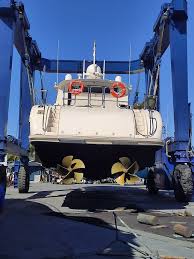
Investigate the Engine Before Negotiating
Engine repairs can represent a substantial portion of the cost of owning an older boat. Ask about service intervals, previous repairs, engine hours where available, and how the boat has been stored.
Inspect accessible components for leaks, corrosion, damaged hoses, and neglected maintenance. Request a cold start and a suitable sea trial if possible.
Do not assume that low engine hours automatically indicate excellent condition. An engine that has been stored improperly or serviced inconsistently may still need expensive work.
Arrange an independent marine mechanic’s inspection when the engine’s condition is uncertain.
Look Beyond the Visible Equipment
Electronics, lights, batteries, bilge pumps, steering controls, and safety equipment should all be evaluated.
Test installed equipment instead of assuming it works. Inspect wiring and battery connections for corrosion or unsafe modifications.
Check the condition of life jackets, fire extinguishers, navigation lights, and other required safety equipment. Replacement costs should be included in your budget.
If a trailer is included, evaluate its tires, bearings, brakes, lights, frame, and hitch. A neglected trailer can add unexpected costs even when the boat itself is in good condition.
Verify the Boat’s History and Ownership
Ask for maintenance invoices, registration documents, service records, and information about previous accidents or repairs.
Confirm that the hull identification number matches the available paperwork. Investigate ownership-transfer requirements and any applicable liens or title restrictions.
If the seller cannot explain the boat’s history, do not automatically assume the worst, but recognize that you have less information on which to base your decision.
Never ignore discrepancies between identification numbers, documents, and the seller’s explanation.
Understand the Importance of a Sea Trial
A stationary inspection cannot reveal every operating issue. When conditions permit, a sea trial can help you evaluate steering, acceleration, shifting, vibration, engine temperature, and handling.
Arrange the trial with the seller and operate the boat safely. Any critical mechanical concerns should be addressed before the boat is used.
If you lack boating experience, consider having an experienced operator or qualified professional participate. A sea trial is valuable, but it does not replace a thorough mechanical inspection or marine survey.
Recognize Warning Signs During Negotiations
Be cautious when a seller refuses reasonable inspection requests, avoids questions about ownership, pressures you to pay immediately, or provides inconsistent information.
Other warning signs include unexplained engine problems, extensive corrosion, questionable structural repairs, missing documents, and equipment that repeatedly fails.
One defect does not necessarily make a boat a poor purchase. The important question is whether the problem is understood, repairable, and reflected in the overall price.
Request repair estimates before deciding whether to negotiate, proceed, or walk away.
Build a Realistic Ownership Budget
Calculate likely annual expenses for fuel, insurance, storage, maintenance, registration, and winterization where applicable. Include a reserve for unexpected repairs.
Compare the total cost of ownership across several boats rather than focusing exclusively on the initial price.
An independent survey can help identify concerns that may affect your budget, insurance, or financing arrangements. Requirements vary, so confirm them with the relevant provider.
Buy With Evidence, Not Pressure
First-time buyers benefit from taking their time, asking detailed questions, and recording inspection findings. A structured approach makes it easier to compare listings and avoid overlooking important components.
Use the Used Boat Buyer’s Inspection Checklist to organize your evaluation before making a commitment.
The best purchase is not necessarily the newest or cheapest boat. It is a vessel whose condition, history, operating costs, and capabilities align with your expectations.